Whole You Wellness: Beginner Plan for Mind, Food & Move
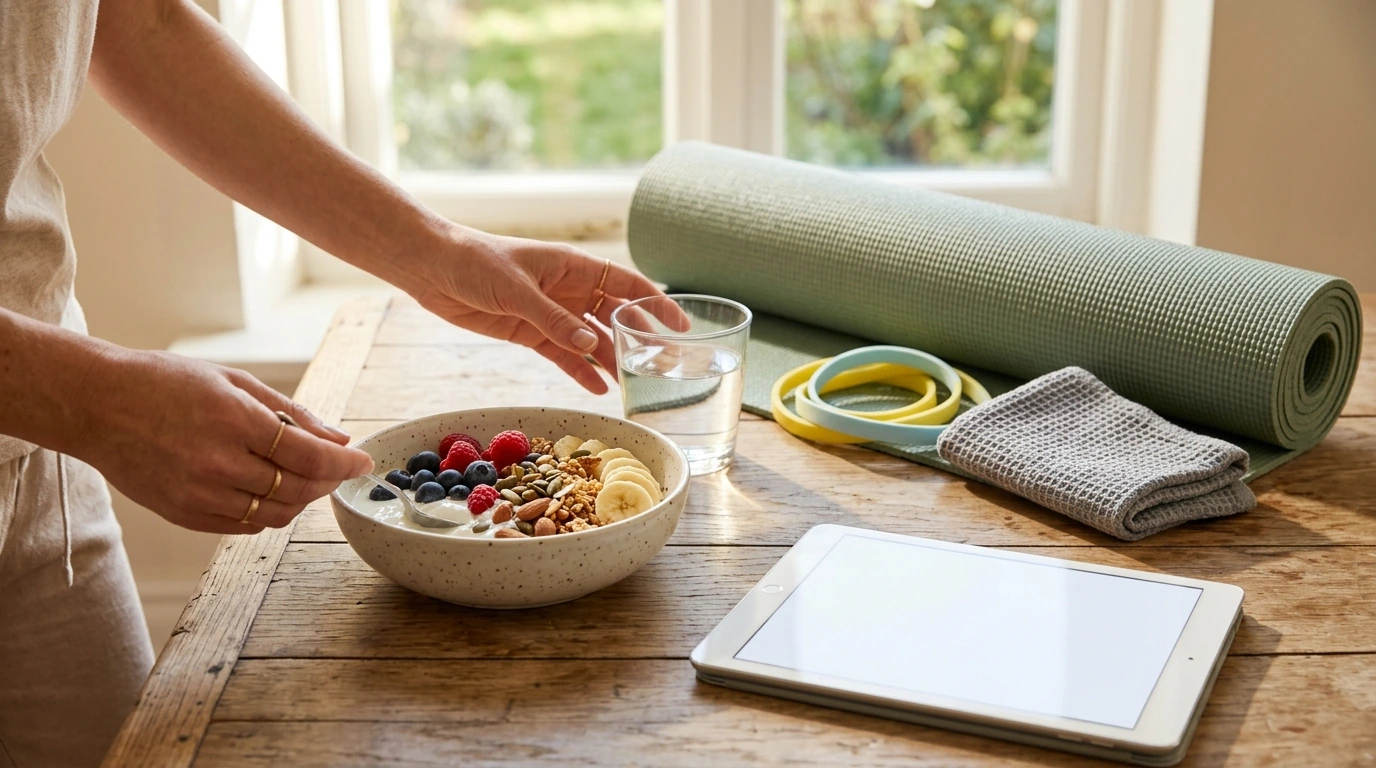
Whole You: A Beginner’s Holistic Wellness Guide for Daily Nutrition, Movement, Mindset, and Self-Care
Holistic wellness connects everyday choices—food, movement, stress, sleep, and self-care—into one supportive system. For beginners, the most sustainable progress comes from small, repeatable habits that fit real schedules and energy levels. This guide breaks wellness into simple pillars, offers practical routines, and includes a clear starting plan so healthy changes feel doable rather than overwhelming.
What “Whole You” Wellness Means (and What It Doesn’t)
“Whole You” wellness is a whole-person approach: your physical health, mental well-being, and lifestyle habits influence each other every day. When sleep is off, cravings rise; when stress is high, motivation drops; when you move more, mood often improves.
The goal is progress over perfection. A 10-minute walk you repeat most days typically beats an intense workout you do once and then avoid for two weeks. Your individual baseline matters, too—your current stress level, sleep quality, schedule, and any medical guidance should shape your starting point.
It also helps to drop common misconceptions: quick “detox” promises, one-size-fits-all plans, and all-or-nothing thinking. Real wellness is less about dramatic overhauls and more about steady, livable rhythms.
Pillar 1 — Nutrition Basics That Support Energy and Mood
A beginner-friendly way to eat well is to build balanced plates. Aim for a combination of protein, fiber-rich carbohydrates, colorful plants, and healthy fats—this tends to support steadier energy, better fullness, and fewer sharp hunger swings.
Hydration doesn’t need to be complicated: start with water at meals. If you sweat heavily or exercise in heat, electrolytes may help, but follow clinician advice if you have health conditions or take medications.
Try simple upgrades instead of a full meal plan reboot: add one fruit or vegetable at breakfast, swap one snack for nuts or Greek yogurt, and include legumes (beans, lentils, chickpeas) twice weekly. Gentle structure also helps—regular meal timing can reduce “hangry” moments that lead to impulsive choices. For at least one meal a day, practice mindful eating: slow down, notice fullness, and reduce distractions.
Beginner Plate Builder
| Plate Part | Easy Options | Why It Helps |
|---|---|---|
| Protein | Eggs, tofu, chicken, beans, Greek yogurt | Supports satiety and muscle repair |
| Fiber-rich carbs | Oats, brown rice, quinoa, potatoes, whole-grain bread | Sustains energy and supports digestion |
| Plants (color) | Leafy greens, berries, peppers, frozen veg mixes | Micronutrients and antioxidants |
| Healthy fats | Olive oil, avocado, nuts/seeds | Hormone and brain support; improves satisfaction |
For a science-based nutrition reference point, the Dietary Guidelines for Americans can help you compare your current habits to practical, long-term recommendations.
Pillar 2 — Movement for Strength, Mobility, and Stress Relief
Movement doesn’t have to be intense to be effective. Start with a “minimum viable routine”: 10–15 minutes counts when you do it consistently. Over a week, aim for a mix of strength, low-intensity cardio (like walking), and mobility or stretching.
A simple beginner strength plan is two days per week, using basics you can modify: squats to a chair, wall or incline push-ups, hip hinges (like a light deadlift pattern), rows (bands or household items), and carries (holding something moderately heavy while walking slowly). On non-strength days, add “movement snacks”—two to five minutes of stairs, light stretching, or a short walk after meals.
Recovery matters. Mild soreness is normal when you start, but sharp pain is a stop signal. Reduce load, adjust technique, and consult a professional if needed. For a clear overview of activity targets and safe progression, the CDC’s Physical Activity Basics is a helpful guide.
Pillar 3 — Mental Health and Stress Skills That Fit Real Life
When stress spikes, focus on regulating your nervous system first. A fast, beginner-friendly tool is slow breathing with longer exhales for 2–3 minutes (for example, inhale gently, then exhale a bit longer than your inhale). This often reduces the “revved up” feeling enough to think clearly again.
Social wellness is part of the foundation. One supportive connection per week—a text, call, or shared walk—can improve resilience over time. If low mood, panic, sleep disruption, or day-to-day functioning problems persist, professional support is a strong next step. The National Institute of Mental Health (NIMH) guidance is a trusted starting point.
Pillar 4 — Self-Care That Actually Restores You
A 7-Day Beginner Plan (Small Wins, Compounding Results)
Weekly Habit Tracker (Starter Version)
| Habit | Mon | Tue | Wed | Thu | Fri | Sat | Sun |
|---|---|---|---|---|---|---|---|
| Water with first meal | □ | □ | □ | □ | □ | □ | □ |
| 10–20 min walk | □ | □ | □ | □ | □ | □ | □ |
| Balanced plate once/day | □ | □ | □ | □ | □ | □ | □ |
| 2–3 min stress reset | □ | □ | □ | □ | □ | □ | □ |
| Wind-down routine | □ | □ | □ | □ | □ | □ | □ |
A Guided Option for Beginners: Digital Wellness Support
Digital downloads work well for quick access on a phone or tablet, and they’re easy to print if you like paper trackers. For a focused, all-in-one framework, consider Whole You: Holistic Wellness Guide (Digital Download).
Wellness also includes relationship boundaries and emotional safety. If you’re working on stress reduction and healthier patterns in your personal life, Mindful Dating Red-Flag Checklist (Printable) can support clearer decision-making and stronger boundaries.
FAQ
What is holistic wellness for a beginner?
Holistic wellness is an integrated approach that supports nutrition, movement, mental health, sleep, and self-care as connected pieces. Beginners do best by focusing on small, consistent habits and adjusting for their schedule, stress level, and health needs.
How do beginners start a wellness routine without getting overwhelmed?
Start with one anchor habit you can repeat (like water with breakfast or a 10-minute walk), then add one new step every few days. Using minimums—one balanced meal a day, 10–15 minutes of movement—builds consistency without burnout.
Is a digital wellness guide worth it?
A digital guide can be worth it if you want structure, checklists, and tracking that reduce daily decision fatigue. It’s a support tool that complements—rather than replaces—medical advice or professional care when needed.












Leave a comment